


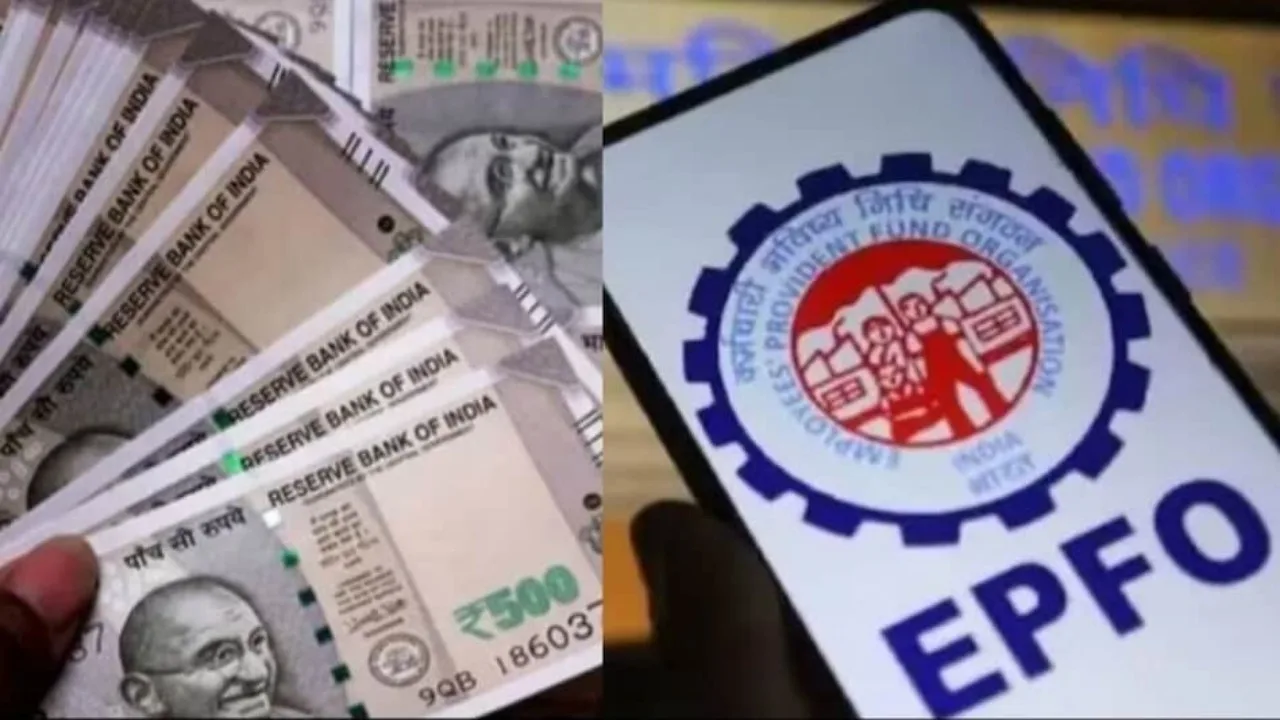
EPFO: The union government is getting ready for a significant transformation in the Employees’ Provident Fund Organization (EPFO). Media reports suggest that under the draft of EPFO 3.0, there are plans to allow employees to withdraw PF funds directly from ATMs. The facility is expected to begin in June next year, but only a certain amount can be withdrawn from it. This will guarantee that the employee can access funds in case of an emergency, while still maintaining a satisfactory balance in their account post-retirement.
Simultaneously, there is a proposal to raise the existing 12% contribution made by employees to EPF. At present, the worker allocates 12% of their base salary, along with dearness and retaining allowances. Out of this, 8.33% of the salary is directed towards the pension fund, and 3.67% towards EPF.
Know the rules for PF withdrawal
According to the rules for PF withdrawal, when a member is no longer employed, they are able to withdraw 75% of the funds from their PF account after one month. With this, he is able to meet his needs while unemployed. After losing the job, 25% of the balance in the PF account can be withdrawn after two months. An employee who has worked for 5 years in a company and withdraws their PF will not be liable to pay any income tax. The timeframe of 5 years can be merged with one or multiple businesses. Completing 5 years in one company is not a requirement. The minimum duration required is 5 years.
In case an employee withdraws over Rs 50,000 from their PF account prior to completing 5 years of service, they will be required to pay a 10% TDS. However, without a PAN card, a 30% TDS payment will be required. Nevertheless, in the event that the employee files Form 15G/15H,