
Bank FD Vs Corporate FD: Which One is Better for Middle-Class Investors? Know All Details Here
In middle-class families, saving the money left after monthly expenses is a big support for the future. Fixed deposits are still the most reliable option for earning extra income. For this, people go to the post office or bank. In the post office, they prefer

 Join Us
 Add as a preferred
Bank FD Vs Corporate FD
In middle-class families, saving the money left after monthly expenses is a big support for the future. Fixed deposits are still the most reliable option for earning extra income. For this, people go to the post office or bank. In the post office, they prefer schemes like the National Savings Certificate or Kisan Vikas Patra, which double the amount in 10 years.
Bank FD vs Corporate FD: Which is the Better Option?
Both bank FDs and corporate FDs offer good returns. However, those more financially aware compare interest rates from different banks and choose the one that offers better returns. Understanding both options’ pros and cons is important before investing.
Guaranteed Returns with Bank FD
Fixed deposits are suitable for those who prefer guaranteed returns. However, did you know that corporate FDs often offer higher returns than bank FDs? Still, they are not considered a better option than bank FDs. The main reason is investment security.
Since bank FDs are regulated by the Reserve Bank of India (RBI), they are considered safe. This means the invested amount and the promised returns are secured.
Risks Involved in Corporate FD
The biggest concern with corporate FDs is the risk of default by the issuing company. If the company fails to repay, investors may have to go through a long legal process to recover their money. Additionally, corporate FDs are not insured, increasing the risk further.
However, investing in corporate FDs with a good credit rating from reputed agencies can be relatively safer. In short, bank FDs offer lower returns with low risk, while corporate FDs offer higher returns with higher risk. A balanced investment in both can be a wise financial decision.

Avijit Das
Next Article
TVS Raider 125 2026 Nitro Green Launch: Full TFT Display, New Colors Under ₹1 Lakh
TVS Motor Company has reinvented its most successful vehicle, the TVS Raider 125, in a new avatar. If you’re looking for a luxurious and successful vehicle in 2026 that boasts a ‘Sultan’ of speed and a strong grip that can firmly assert itself on the

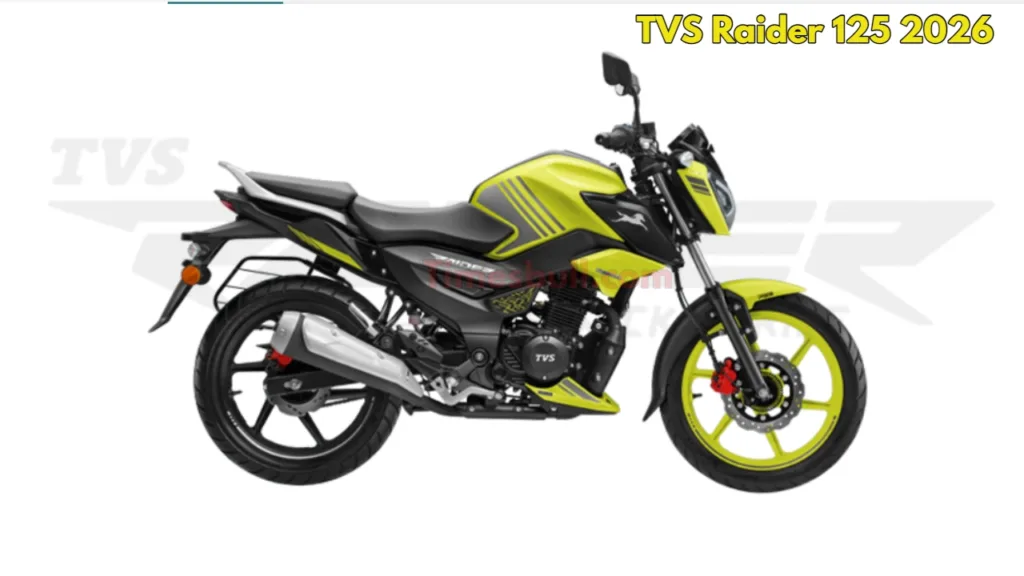
TVS Motor Company has reinvented its most successful vehicle, the TVS Raider 125, in a new avatar. If you’re looking for a luxurious and successful vehicle in 2026 that boasts a ‘Sultan’ of speed and a strong grip that can firmly assert itself on the roads, this precise update of the Raider will prove to be a winning gift for you.
According to the latest media report, this bike is now available in seven steel variants and a magical Nitro Green color. With a starting price of just ₹82,860, this bike is not only in demand for its looks, but its magical features, including live cricket and football scores, firmly establish it as the true Sultan of the youth.
Write a Comment