

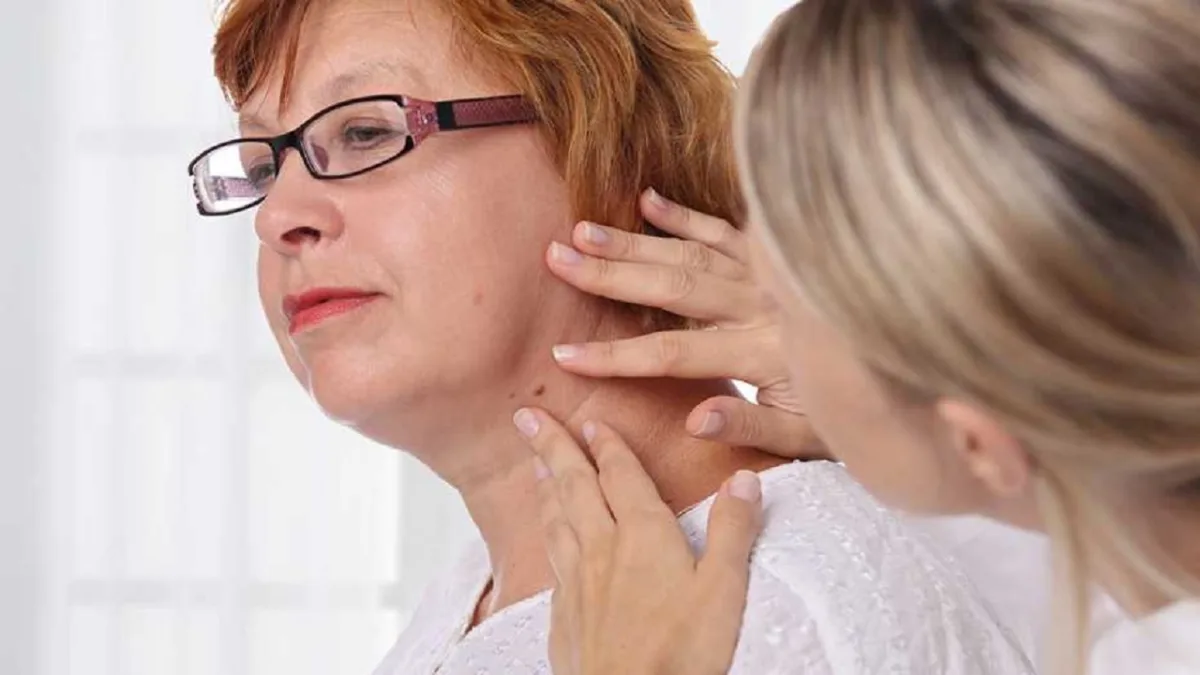
As we get older, dark spots, commonly known as “age spots,” appear more frequently, especially on the face and hands. Many people see these as an aesthetic flaw and want to get rid of these spots quickly. What many people don’t know is that age spots are completely harmless and are part of the normal aging process of the skin. In this article, we’ll explain what causes these spots, how you can get them removed, and when you should definitely see a doctor.
What are age spots?
Age spots, also known as lentigines seniles or lentigines solares, are a medical term for a benign pigment disorder of the skin that occurs primarily in old age. The Latin term “lentigines solares” aptly translates as “sun spots”. The characteristic spots are a late consequence of too much sun and are caused by deposits of lipofuscin in the skin. UV radiation causes a change in the structure of the fatty acids, which leads to the production of lipofuscin.
Your body normally has a kind of protective effect through special cell structures (lysosomes) that promotes the breakdown of lipofuscin. However, if you expose your body to UV radiation very often over the course of your life without protection, more lipofuscin is produced. As a result, your lysosomes can break down and the excess lipofuscin is deposited in the skin. Age spots are basically chronic light damage that develops over decades and is part of the normal aging process of the skin.
What risk factors increase the appearance of age spots?
An unhealthy lifestyle with poor nutrition, smoking and alcohol consumption can have a negative impact on the aging process of the skin and thus contribute to the formation of age spots. In addition, certain medications (for example, products containing St. John’s wort extracts) or perfumes and preservatives can increase the skin’s sensitivity to light and make it more susceptible to the production of age spots. Women who use hormonal contraception, such as the pill , also tend to have a higher risk of developing age spots.
Are age spots hereditary?
There is no clear answer to this question. Although it has been proven that a genetic predisposition to increased melanin production can contribute to the formation of age spots, the hereditary component is not solely responsible for the formation of the spots. The main cause is exposure to UV radiation over a long period of time. However, you are more likely to get age spots if your parents also had pigment spots.